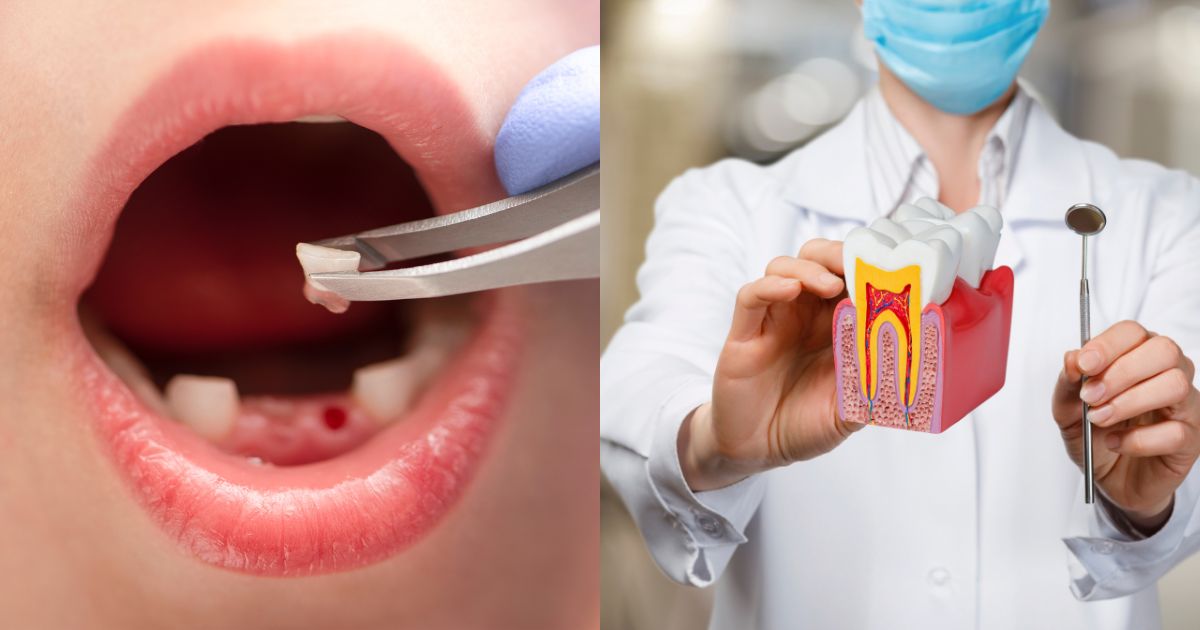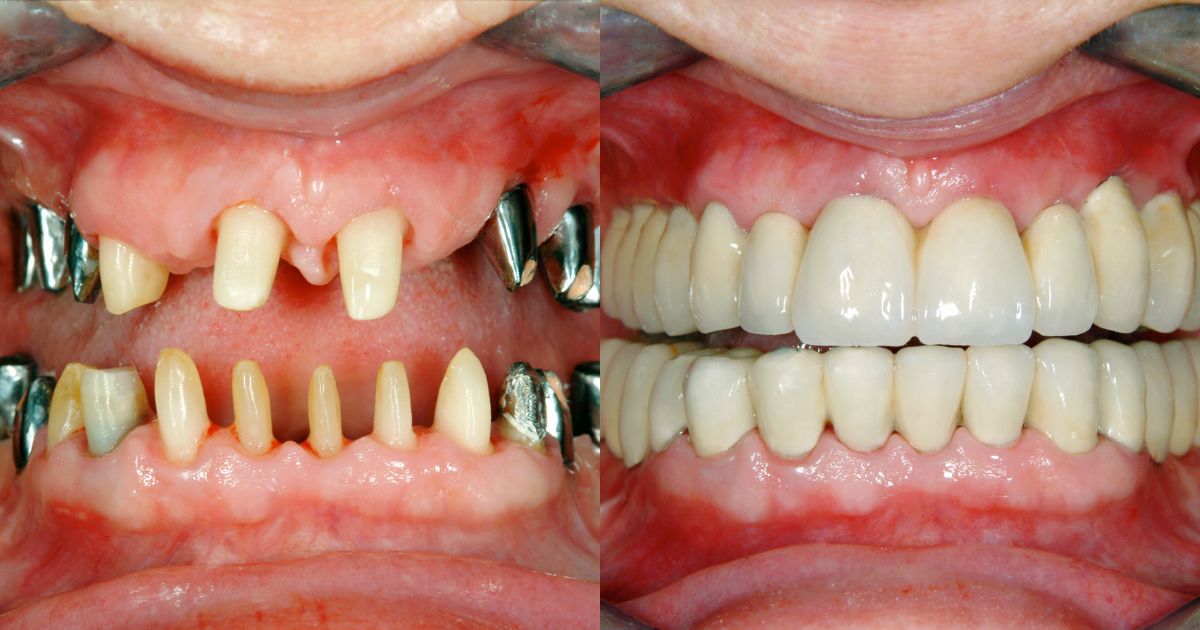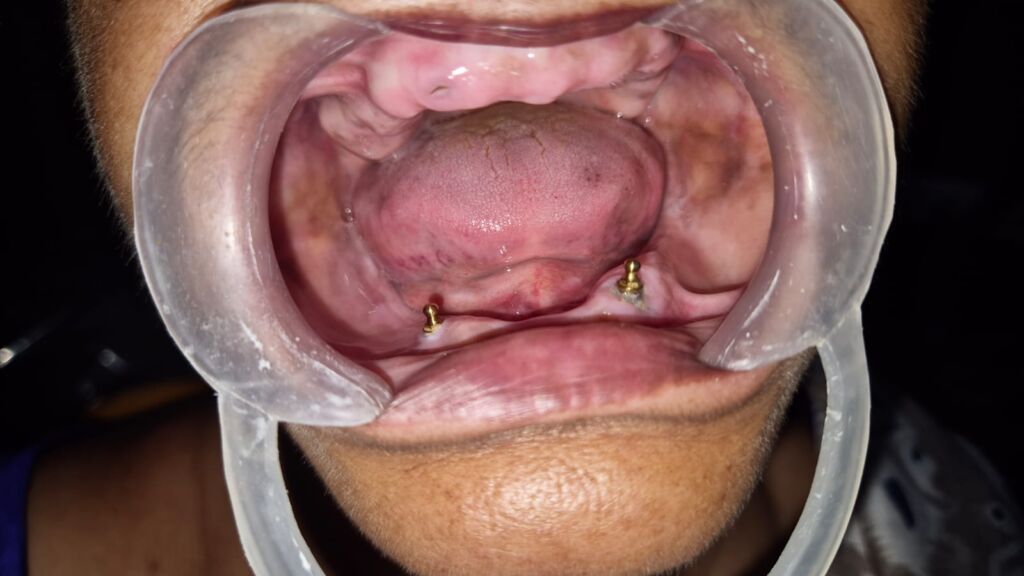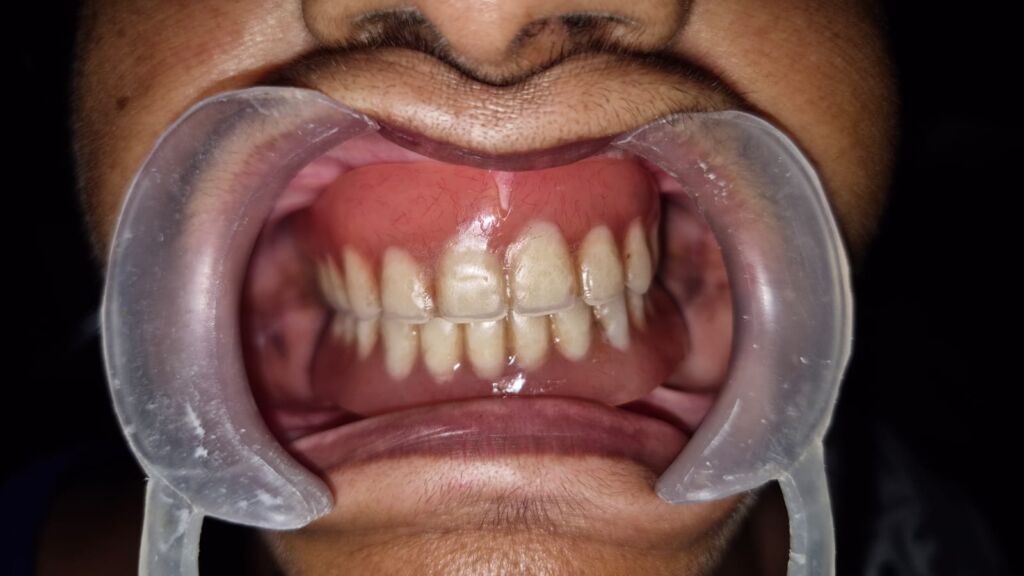

What to Expect After a Dental Implant?

Dental implant treatment is a highly predictable and long-lasting solution for missing teeth, but many patients feel anxious about the recovery phase. Understanding what happens after implant placement helps reduce fear and ensures better healing.

At Teeth Care Multispeciality Dental Clinic in Kolkata, we guide our patients through every stage of dental implant recovery with clarity, medical precision, and continuous support. This detailed guide explains exactly what to expect after a dental implant, from the first day to long-term care.

Immediately After Dental Implant Surgery (First 24 Hours)

The first 24 hours after dental implant placement are crucial for proper healing. During this period, your body begins the initial healing response and forms a protective clot around the implant site.

Most patients experience mild and manageable symptoms that settle quickly when post-operative instructions are followed carefully.

Normal Post-Surgery Symptoms

Symptom What It Means Expected Duration
Mild bleeding Natural clot formation Few hours
Numbness Effect of anesthesia 2-4 hours
Gum tenderness Tissue healing response 1-2 days
Mild swelling Normal inflammation 2-3 days

Patients treated under our advanced dental implant treatment in Kolkata generally experience minimal discomfort due to precise surgical planning.

Pain After a Dental Implant in kolkata

Pain after dental implant surgery is usually mild and far less than what patients expect. Most people compare it to routine dental procedures rather than surgery.

Pain intensity reduces steadily each day and is easily controlled with prescribed medication.

Pain Timeline After Implant Placement

Time Period Expected Pain Level Management
Day 1 Mild soreness Prescribed medication
Day 2-3 Slight tenderness Normal healing
Day 4-5 Significant reduction Minimal or no medication
After 1 week No pain Full comfort

Persistent or increasing pain after the fourth day should always be evaluated by your dentist.

Swelling and Bruising After Implant Surgery

Swelling is a natural part of the healing process and indicates that your body is responding correctly to surgery. Bruising may appear externally in some cases but resolves naturally.

Most patients visiting our Kolkata clinics notice controlled swelling due to careful tissue handling.

Swelling Progression

Day Swelling Status Normal Expectation
Day 1 Minimal Normal
Day 2-3 Peak swelling Expected
Day 4-5 Gradual reduction Healing phase
Day 7 Mostly resolved Normal recovery

Eating After Dental Implant Surgery

Diet plays a critical role in protecting the implant site and supporting healing. Soft foods reduce pressure on the implant and help prevent complications.

Chewing on the opposite side of the implant is strongly recommended during early recovery.

Diet Timeline After Implant Placement

Timeframe Food Texture Purpose
First 24 hours Soft and cool Protect clot
Day 2-5 Soft solids Reduce pressure
After 1 week Semi-normal Healing support
After crown placement Normal Full function

Hot, hard, or sticky foods should be avoided until your dentist confirms stability.

Oral Hygiene After Dental Implant Placement

Maintaining oral hygiene is essential for implant success, but cleaning must be gentle during early healing. Proper hygiene prevents infection and supports bone integration.

Patients are carefully guided by our prosthodontics and smile restoration department on safe cleaning techniques.

Oral Care Guidelines

Time Period Cleaning Approach Reason
First 24 hours Avoid brushing site Protect healing tissue
After 24 hours Gentle brushing Prevent plaque
After 3 days Normal brushing nearby Support healing
Long term Regular hygiene Implant longevity

Osseointegration: Bone Healing Around the Implant

Osseointegration is the most important phase of implant recovery. During this stage, the implant fuses permanently with the jawbone.

This biological process ensures the strength and long-term stability of the dental implant.

Osseointegration Timeline

Phase Duration What Happens
Early healing 2-4 weeks Bone adaptation
Active integration 2-3 months Bone fusion
Final integration 3-6 months Full stability

The success of this phase determines how long your implant will last.

Stitches and Follow-Up Visits

Stitches help the gum heal properly around the implant and usually dissolve on their own. Follow-up visits allow dentists to monitor healing and prevent complications.

Patients are encouraged to attend reviews at the New Town dental clinic, where advanced diagnostics support precise healing assessment.

Stitch and Review Timeline

AspectExpected Time
Stitch dissolution7-10 days
First follow-up7 days
Healing review4-6 weeks
Crown planningAfter integration

Temporary Teeth During Healing

Temporary restorations may be provided depending on the location of the implant. These restorations are designed to maintain appearance while protecting the implant.

They are carefully shaped to avoid pressure on the healing implant.

Temporary Restoration Usage

Implant Location Temporary Tooth Purpose
Front teeth Often provided Aesthetics
Back teeth Sometimes avoided Protection
Multiple implants Case-dependent Function support

Final Crown Placement After Healing

Once osseointegration is complete, the final crown is placed to restore full chewing and appearance. This stage completes the implant treatment.

Implant crowns are custom-designed under the supervision of Dr. Sanket Chakraverty, Prosthodontist and Implantologist, ensuring precise bite alignment.

Final Restoration Process

Step Description
Implant exposure Access implant
Abutment placement Connector fixed
Crown fitting Custom ceramic tooth
Bite adjustment Comfort ensured

Long-Term Care After a Dental Implant

Dental implants require the same care as natural teeth. Consistent hygiene and regular dental visits ensure long-term success.

With proper care, implants can last for decades.

Long-Term Implant Maintenance

Care Aspect Recommendation
Brushing Twice daily
Flossing Daily
Dental visits Every 6 months
Professional cleaning As advised

Warning Signs After Dental Implant Surgery

Certain symptoms should never be ignored as they may indicate complications. Early intervention prevents implant failure.

When to Contact Your Dentist

Symptom Clinical Significance
Increasing pain Possible infection
Persistent swelling Healing issue
Implant movement Integration failure
Pus or fever Infection

Why Dental Implant Recovery Is Better Than Other Options

Compared to dentures or bridges, dental implant recovery offers better comfort, stability, and oral health benefits.

Patients report higher confidence and chewing efficiency once healing is complete.

Comparison of Tooth Replacement Recovery

Factor Implant Bridge Denture
Stability Excellent Moderate Low
Bone preservation Yes No No
Long-term comfort High Medium Low
Maintenance Normal Moderate High

Why Choose teethcare in Kolkata

Choosing the Teeth Care Multispeciality Dental Clinic plays a major role in recovery success. Teeth Care combines experience, technology, and ethical treatment planning. Patients can learn more through our multispeciality dental clinic profile in Kolkata and explore specialists via the expert dental care team network. Clinical Strengths

Aspect Benefit
Experienced implantologists Predictable results
Digital diagnostics Precision planning
Multispeciality care Safety
Multiple Kolkata locations Convenience

Conclusion
Knowing what to expect after a dental implant removes uncertainty and builds confidence. With modern techniques and proper care, dental implant recovery is smooth, comfortable, and highly successful. At Teeth Care Multispeciality Dental Clinic, we remain committed to guiding every patient from surgery to final crown with transparency, expertise, and long-term care, so your new smile stays strong for life. 

FAQ about After a Dental Implant!

How long does it take to recover after a dental implant?

Initial recovery usually takes 7–10 days, while complete bone integration and healing can take 3–6 months depending on bone quality and overall health.

Mild discomfort is normal for a few days after implant surgery. Pain typically reduces daily and is manageable with prescribed medication.

Swelling usually peaks within 48–72 hours and gradually subsides over the next few days. Most swelling resolves within one week.

Soft foods are recommended for the first few days. Normal eating can resume gradually once healing progresses and the dentist confirms stability.

Gentle brushing can start after 24 hours. The implant area should be kept clean without aggressive brushing or forceful rinsing.

Osseointegration is the process where the implant fuses with the jawbone, providing strength and long-term stability. This process usually takes several months.

Implant failure is rare but can occur due to infection, smoking, or poor oral hygiene. Regular follow-ups help detect and prevent issues early.

The final crown is placed after complete bone integration, usually between 3 to 6 months after implant placement.

No special care is required. Dental implants should be maintained like natural teeth with brushing, flossing, and regular dental visits.

Single Tooth Implant vs Bridge in Kolkata

A single missing tooth may look like a small problem, but medically it can create serious long-term complications if ignored. At Teeth Care Multispeciality Dental Clinic in Kolkata, we regularly treat patients from New Town, Chinar Park, Ballygunge, Dunlop, and Charnock who come to us after suffering jawbone loss, facial sagging, drifting teeth, bite imbalance, and chewing difficulty caused by just one missing tooth.

The most common question we hear is:“What is better for one missing tooth – a single tooth implant or a dental bridge?”

Both treatments are effective, but they work in completely different ways. This expert guide will help you understand the difference between single tooth implant vs bridge, their cost in Kolkata, durability, comfort, appearance, bone health impact, and which option is better for you.

Why Replacing a Single Missing Tooth Is Medically Important

When a tooth is lost and not replaced on time, the following changes begin silently:

  • Jawbone starts shrinking
  • Nearby teeth tilt into the empty space
  • Bite becomes uneven
  • Gum infection risk increases
  • Facial structure begins collapsing
  • Chewing efficiency reduces

This is why dentists strongly recommend early single tooth replacement in Kolkata using modern treatment options.

What Is a Single Tooth Dental Implant?

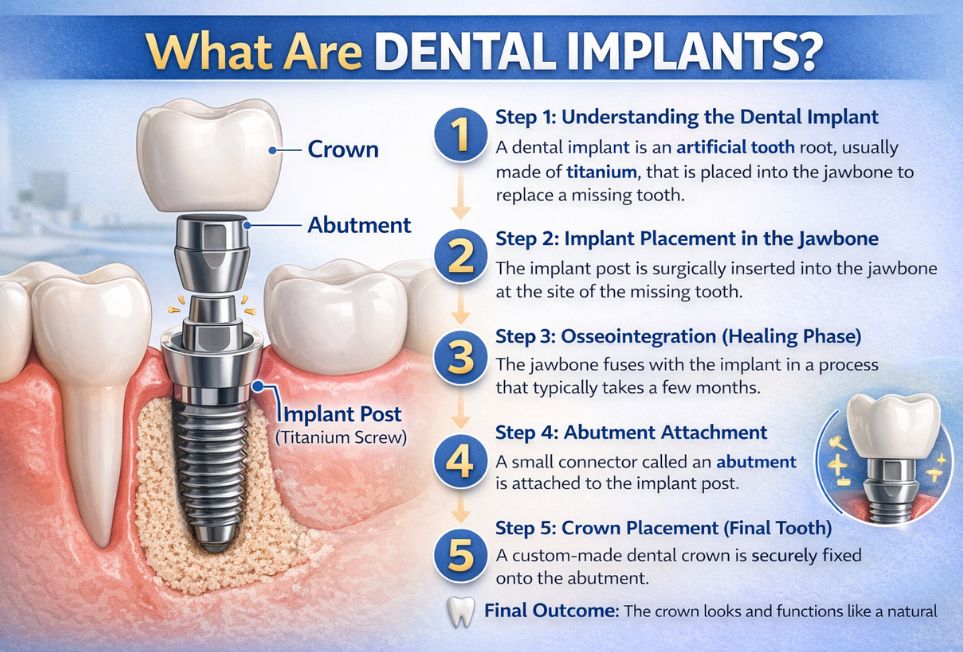
A single-tooth dental implant is a permanent replacement where a titanium implant is placed inside the jawbone to function like a natural tooth root. Once it bonds with the bone, a ceramic crown is placed on top to restore full function and appearance.

At Teeth Care, this is done through our advanced implantology treatment in Kolkata using digital planning and guided implant placement.

Components of a Single Tooth Implant

ComponentFunction
Titanium ImplantArtificial tooth root
AbutmentConnector
Ceramic CrownNatural visible tooth

Main Benefits of Single Tooth Implant

  • Permanent solution
  • Prevents jawbone shrinkage
  • No damage to nearby teeth
  • Feels like a natural tooth
  • Strong chewing power
  • 25+ years of durability

Implants at our clinic are placed under the expertise of Dr. Sanket Chakraverty, Prosthodontist & Implantologist, who handles complex implant restorations.

What Is a Dental Bridge?

A dental bridge replaces a missing tooth by trimming the two adjacent teeth and using them to support an artificial tooth in between. This treatment is part of our restorative dental solutions for missing teeth and is often recommended when implants are not possible.

Types of Dental Bridges

  • Traditional Bridge
  • Cantilever Bridge
  • Maryland Bridge
  • Implant-Supported Bridge

Advantages of Dental Bridge

  • Faster treatment
  • No surgery
  • Lower starting cost
  • Suitable for low bone density patients

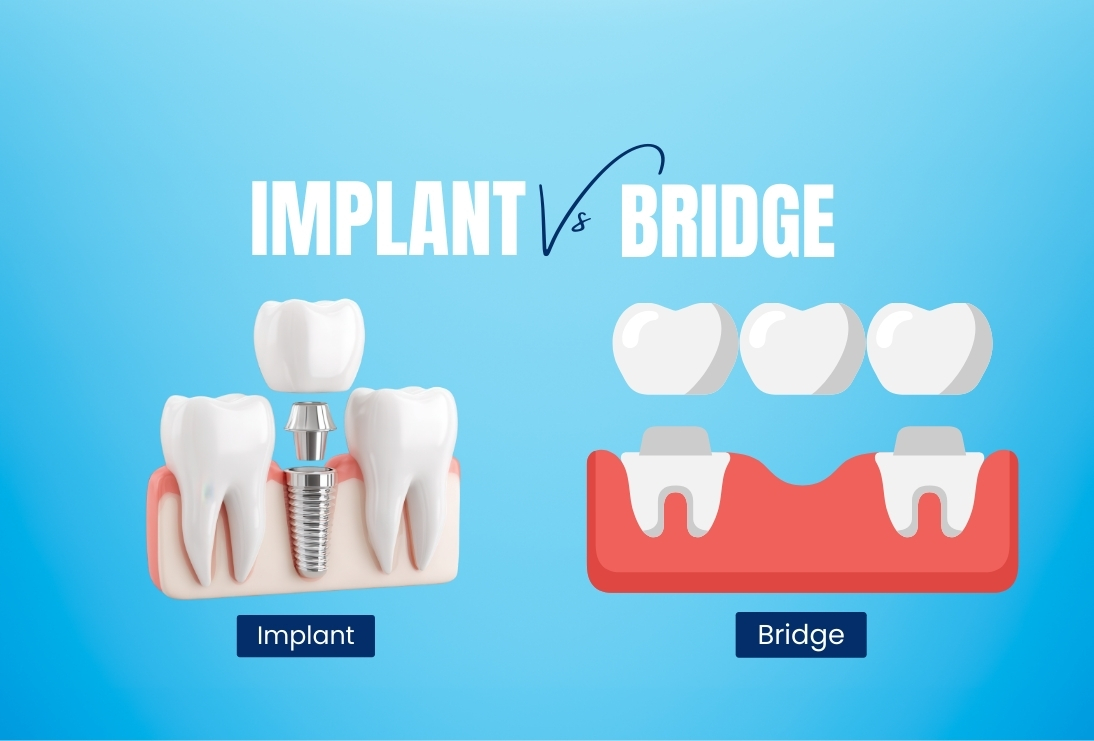
Implant vs Bridge – Quick Comparison

FeatureImplantBridge
Replaces rootYesNo
Affects nearby teethNoYes
Prevents bone lossYesNo
Lifespan25+ years8-12 years
SurgeryYesNo
Long-term valueHighLower

Procedure Comparison in Kolkata

Single Tooth Implant Procedure

  • 3D scan and diagnosis
  • Precise implant placement
  • Healing phase (3–6 months)
  • Abutment and crown placement

All implant crowns are designed with help from our prosthodontics and smile restoration department to ensure a perfect bite and natural aesthetics.

Dental Bridge Procedure

  • Trimming of adjacent teeth
  • Digital impressions
  • Temporary bridge
  • Final cemented bridge in 7–14 days

Durability and Lifespan Comparison

FactorImplantBridge
Lifespan25+ years8-12 years
ReplacementRareFrequent
Bone ProtectionYesNo
Long-Term CostLowerHigher

Winner: Tooth Implant

Effect on Adjacent Teeth

Effect on Adjacent Teeth Tooth Implant vs Bridge in Kolkata

Jawbone & Facial Structure Protection

Only implants stimulate the jawbone and prevent facial collapse. Bridges do not stop bone shrinkage.

Aesthetic and Comfort Comparison

Factor Implant Bridge
Look Natural Good
Gum Health Maintained May Recede
Chewing Strong Moderate
Speech Natural Adjustment Needed

Cost of Single Tooth Implant vs Bridge in Kolkata

Treatment Cost Range
Single Tooth Implant ₹18,000 – ₹38,000
Dental Bridge ₹15000 – ₹120000

For exact pricing, many patients visit our New Town dental clinic for implants and bridges for digital evaluation.

Recovery and Aftercare

Factor Implant Bridge
Recovery 7-10 days None
Food Restriction Temporary Minimal
Oral Care Normal Special Floss

You can also read our detailed guide on dental implant recovery time.

Who Should Choose a Single Tooth Implant in Kolkata?

  • Patients wanting a permanent solution
  • Younger adults
  • Patients with a good jawbone
  • Those concerned about facial structure
  • Patients protecting nearby teeth

Who Should Choose a Dental Bridge?

  • Patients with severe bone loss
  • Elderly patients
  • Patients who cannot undergo surgery
  • Budget-focused patients

Which Is Better Long-Term – Implant or Bridge?

If your goal is lifetime durability, bone protection, and natural chewing, implants are clearly superior.
Bridges are best when implants are not medically possible.

Why Choose Us?

Teeth Care is one of the most trusted centers for single tooth implants and dental bridges in Kolkata, with branches across:

  • New Town
  • Chinar Park
  • Ballygunge
  • Dunlop
  • Charnock

Learn more through our dental clinic profile in Kolkata,
and explore our specialists via the expert dental care team network.

Final Verdict: Single Tooth Implant vs Bridge in Kolkata

GoalBest Choice
Permanent solutionImplant
Lowest starting costBridge
Natural chewingImplant
Jawbone protectionImplant
No surgeryBridge

Overall Winner: Single Tooth Dental Implant

Book Your Consultation in Kolkata

If you are confused between an implant or bridge, the smartest step is expert evaluation.
You can easily book a dental consultation in Kolkata with our expert team for a personalized treatment plan.

Conclusion

Choosing between a single tooth implant vs bridge is not just about cost. It impacts your oral health, facial appearance, chewing strength, and confidence for life. While bridges offer quick results at lower cost, implants provide permanent strength, bone protection, and unmatched comfort.

At Teeth Care Multispeciality Dental Clinic, Kolkata, we ensure every patient receives the safest, most effective, and long-lasting tooth replacement solution.

FAQ about single implant vs Bridge

Which is better for one missing tooth – implant or bridge?
A single tooth implant is the better long-term solution because it replaces both the root and crown, preserves jawbone, and does not damage nearby teeth. A dental bridge is suitable when surgery is not possible or a quicker, lower-cost option is needed.

What is the cost of a single tooth implant in Kolkata?
The cost of a single tooth implant in Kolkata generally ranges between ₹35,000 and ₹70,000. The final cost depends on bone condition, implant brand, and crown type.

What is the cost of a dental bridge in Kolkata?
A dental bridge for one missing tooth usually costs between ₹12,000 and ₹30,000 depending on the material and number of supporting teeth involved.

Does a dental bridge damage healthy teeth?
Yes, a traditional bridge requires trimming two adjacent healthy teeth to support the artificial tooth. This permanently weakens those teeth and may increase the risk of future dental problems.

Is the implant procedure painful?
No, implant placement is done under local anesthesia, making the procedure painless. Mild discomfort after surgery is temporary and easily managed with medication.

How long does a single tooth implant last?
With proper oral hygiene and regular dental checkups, a single tooth implant can last 25 years or even a lifetime.

How long does a dental bridge last?
A dental bridge typically lasts 8 to 12 years. It may need replacement earlier if supporting teeth develop decay or gum problems.

How New Orthodontic Technologies Are Changing Treatment

Orthodontic Technologies has come a long way from the days of metal wires and bulky braces. Today, modern technology has completely transformed how we align teeth, correct bites, and improve smiles. At Teeth Care Multispeciality Dental Clinic, one of the most trusted dental clinics in Kolkata, patients now experience faster, more comfortable, and highly precise treatments, thanks to cutting-edge orthodontic innovations.

If you’ve been delaying orthodontic treatment because you fear discomfort or long procedures, the good news is that things have changed dramatically. The latest technologies not only make treatment smoother and more discreet but also deliver outstanding results with shorter treatment times.

In this article, we’ll explore the most significant advances in orthodontic care and how they’re improving both patient experience and outcomes.

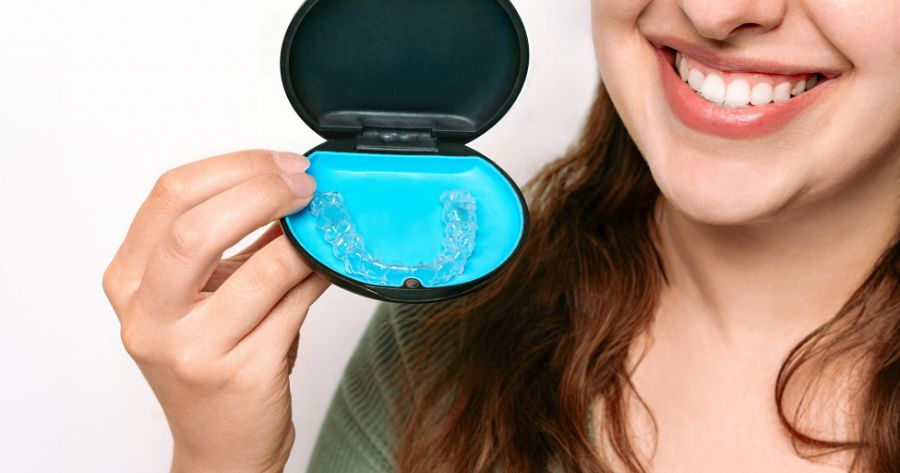
A smiling patient holding a case containing clear aligners, demonstrating modern invisible orthodontic treatment options.

The Evolution of Orthodontic Care

Orthodontics was once associated mainly with teenagers wearing metal braces. But now, it’s a solution for all ages, from children with early alignment issues to adults seeking aesthetic smile corrections.

The evolution began when digital dentistry and advanced imaging entered the field. These new tools allowed orthodontists to plan treatments with pinpoint accuracy and customize solutions for every individual.

Today, when you visit a top orthodontist in Kolkata, you’ll likely experience a fully digital workflow, from 3D scans to computer-guided treatment simulations. This shift is redefining how orthodontic care is delivered and how patients experience it.

1. Digital Scanning and 3D Imaging

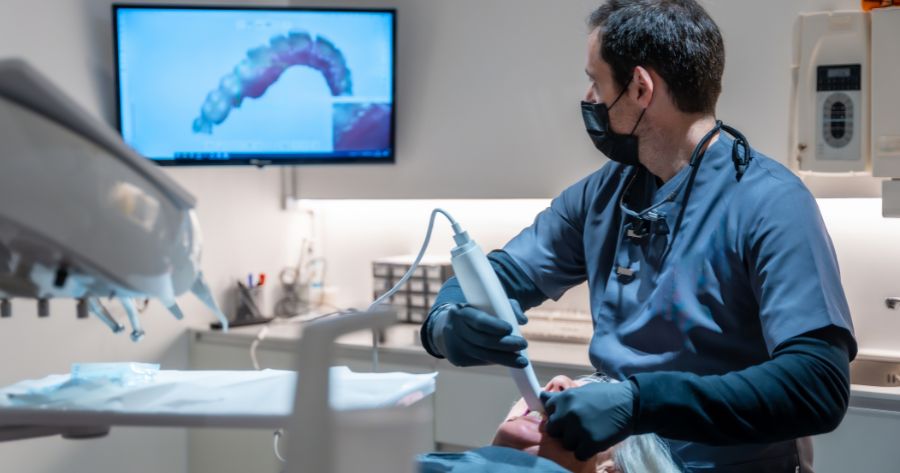
Remember those gooey molds used to take impressions of your teeth? They’re quickly becoming obsolete. Digital scanners now allow orthodontists to create a 3D image of your mouth in minutes, without discomfort.

At Teeth Care Multispeciality Dental Clinic, orthodontists use advanced intraoral scanners that capture thousands of images per second. These images are stitched together to create an accurate 3D model of your teeth and bite.

Why This Matters

  • Better accuracy: Digital scans eliminate errors that can occur with traditional molds.
  • Comfort: No more gagging or messy materials.
  • Speed: Digital scans are completed in minutes and instantly ready for analysis.
  • Visualization: Patients can see a digital preview of their smile correction journey.
A Orthodontic Technologies, dentist scanning a patient’s teeth with a digital intraoral scanner while real-time 3D images display on the screen.

How It Benefits Patients in Kolkata

For patients looking for orthodontic treatment in Kolkata, digital scanning means faster diagnosis and shorter wait times. It also ensures that appliances like braces or aligners fit perfectly from the start, reducing adjustment visits.

2. Clear Aligners: The Revolution in Aesthetic Orthodontics

Clear aligners or invisible braces are one of the most popular orthodontic innovations of the last decade. Unlike traditional braces, these transparent trays are removable, comfortable, and virtually invisible.

If you’re a working professional or college student in Kolkata who wants to straighten teeth without drawing attention, aligners are a great option.

Benefits of Clear Aligners

  • Nearly invisible – Perfect for adults and professionals.
  • Removable – Easy to eat, brush, and maintain oral hygiene.
  • Predictable results – Treatment plans are guided by digital simulations.
  • Comfortable – No metal wires or brackets that irritate the gums.
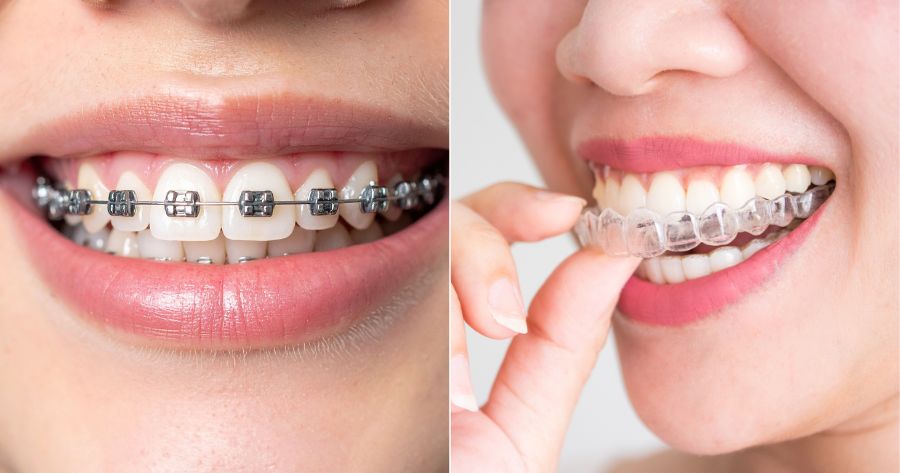
Side-by-side image showing traditional metal braces on one set of teeth and clear aligners on another, highlighting orthodontic treatment differences.

Why Kolkata Patients Are Choosing Clear Aligners

Many patients prefer aligners for their lifestyle convenience. With top-rated orthodontists in Kolkata offering customized aligner plans, you can now enjoy a straighter smile without compromising your confidence.

3. Self-Ligating Braces: Faster, More Comfortable, and Smarter

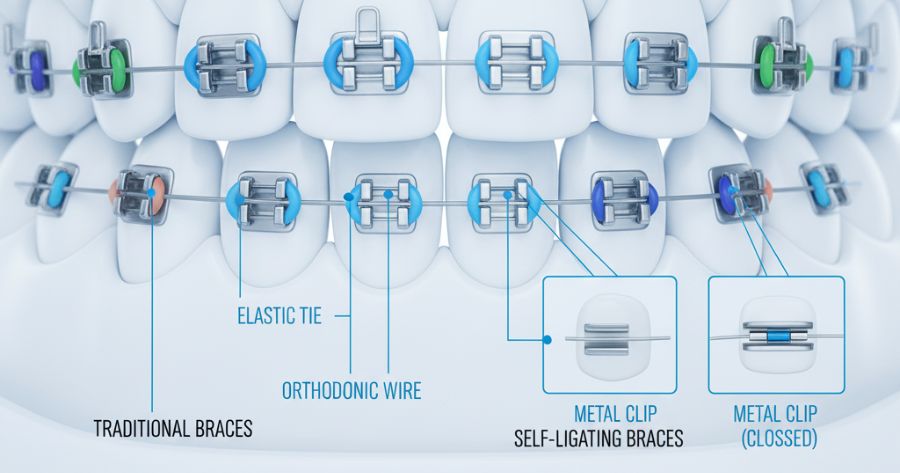
Traditional braces require elastic or metal ties to hold wires in place. Self-ligating braces, however, use a built-in clip mechanism that reduces friction and pressure on teeth.

Advantages Over Traditional Braces

  • Shorter treatment time – Teeth move more efficiently.
  • Fewer appointments – Less frequent tightening visits.
  • More comfort – Reduced friction means gentler tooth movement.
  • Easier cleaning – Fewer food traps compared to rubber ligatures.

At Teeth Care Multispeciality Dental Clinic, orthodontists use self-ligating systems to provide faster and smoother results, ideal for patients who want an efficient treatment process.

A detailed diagram showing the mechanism of self-ligating braces, comparing elastic ties, orthodontic wires, and metal clips.

4. 3D Printing in Orthodontics

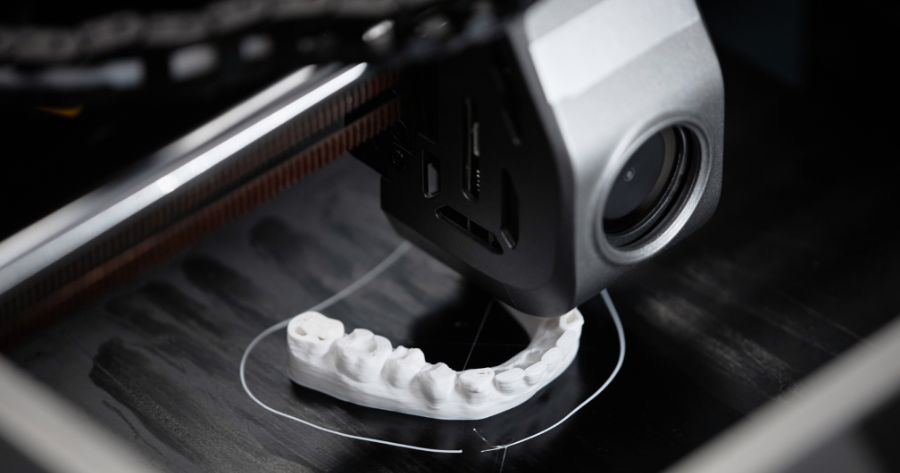
3D printing has transformed how orthodontic appliances are designed and manufactured. With this technology, your orthodontist can produce customized brackets, retainers, and aligners within the clinic, reducing dependency on external labs.

Key Benefits

  • Personalized appliances tailored to each patient’s mouth.
  • Faster turnaround devices can be ready in days, not weeks.
  • Precision fit that ensures better comfort and results.

Example in Practice

When a patient at Teeth Care Multispeciality Dental Clinic opts for clear aligners, the 3D-printed models allow precise control over each stage of tooth movement. This precision reduces treatment time and enhances final outcomes.

A close-up view of a 3D printer producing a detailed orthodontic dental model, showcasing advanced digital dentistry technology.

5. Digital Treatment Planning and Simulation

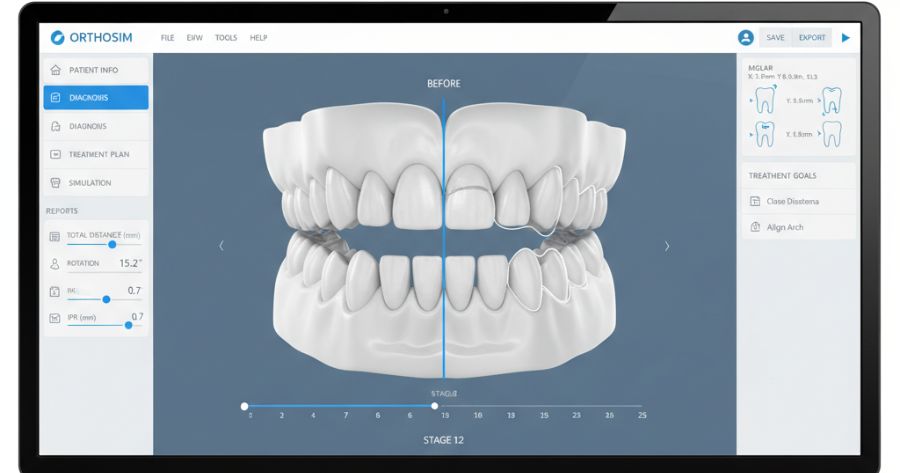
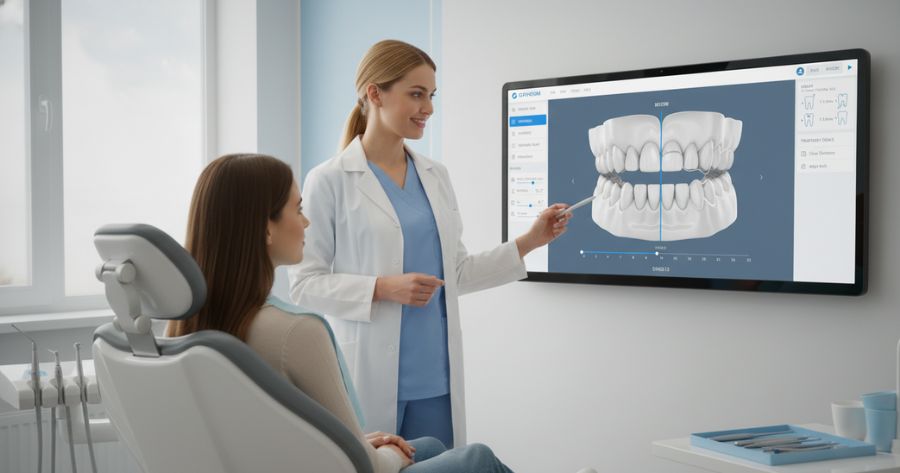
Digital orthodontic software lets orthodontists visualize the end result before treatment even begins. Patients can see 3D simulations of how their smile will evolve over time.

This digital planning improves predictability and helps patients make informed decisions. It also ensures that every adjustment is made based on data, not just observation.

Why It’s a Game-Changer

  • Transparent process – You’ll see exactly how your smile will change.
  • Customized treatment – Every plan is tailored to your facial structure and dental anatomy.

Better communication – Orthodontists can show progress digitally during follow-ups.

A screen displaying a 3D orthodontic simulation showing before-and-after tooth alignment using advanced dental software.

6. Accelerated Orthodontics

Many patients today look for ways to shorten treatment duration. Accelerated orthodontics involves advanced techniques that stimulate faster tooth movement while maintaining safety.

Techniques Used

  • High-frequency vibration devices – Improve blood flow and bone remodeling.
  • Micro-osteoperforation – Stimulates bone response for quicker tooth movement.
  • Laser therapy – Reduces discomfort and enhances cellular activity.

These methods are carefully applied by skilled orthodontists to ensure both speed and stability of results.

For patients visiting orthodontists in Kolkata, these advanced options are now available right here, without having to travel to metro cities like kolkata, Delhi and Mumbai.

modern orthodontic device used for accelerated treatments

7. Remote Monitoring and AI in Orthodontics

AI and remote monitoring are changing how orthodontists track progress. Patients can now send periodic scans or selfies through mobile apps, allowing the orthodontist to review progress without an in-person visit.

Benefits

  • Convenience: Fewer clinic visits.
  • Consistency: Regular progress tracking from home.
  • Precision: AI software detects even the smallest deviations in tooth movement.

Why It Matters in Kolkata

With busy schedules and traffic challenges, many patients prefer flexible monitoring. Teeth Care Multispeciality Dental Clinic integrates digital communication tools so that patients stay connected with their orthodontist even between appointments.

8. Robotic Wire Bending and Smart Brackets

In modern orthodontics, even wires and brackets are becoming “smart.” Robotic wire-bending technology ensures that each archwire is shaped with extreme precision based on the patient’s customized digital model.

The Results

  • Improved accuracy – Each tooth moves exactly as planned.
  • Reduced chair time – Less manual adjustment needed.
  • Consistent outcomes – Reduces human error in wire shaping.

These advancements bring greater precision and predictability, essential for complex orthodontic cases handled by leading orthodontists in Kolkata.

9. Lingual Braces: Hidden Yet Effective

Lingual braces are attached to the inside surfaces of teeth, making them virtually invisible. Modern designs and computer-aided customization have made them more comfortable and efficient than ever.

Benefits of Lingual Braces

  • Completely hidden from view.
  • Customized to fit the inner contours of your teeth.
  • Effective for complex movements where aligners may not suffice.

For patients in Kolkata who want a discreet yet powerful solution, Teeth Care Multispeciality Dental Clinic offers personalized lingual orthodontic options designed for aesthetics and performance.

10. Integrating Orthodontics with Overall Dental Health

Orthodontic treatment isn’t just about aesthetics, it also improves oral function and long-term dental health. With new technologies, orthodontists can now coordinate treatment more efficiently with other dental specialties.

Comprehensive Digital Approach

At Teeth Care Multispeciality Dental Clinic, the orthodontic team collaborates with prosthodontists, periodontists, and oral surgeons using shared 3D data. This integration ensures comprehensive treatment planning and long-lasting results.

This holistic, digital-first approach minimizes complications and creates harmony between alignment, bite, and jaw health.

The Patient Experience: What You Can Expect

From your first consultation to your final retainer fitting, the patient journey at a technologically advanced clinic looks completely different today:

  1. Digital Assessment: Quick 3D scan, x-rays, and smile preview.
  2. Personalized Plan: Discuss treatment options (aligners, self-ligating braces, etc.).
  3. Predictable Progress: Regular updates through digital tracking.
  4. Faster Results: Enhanced by AI, vibration devices, and smart wires.

All this ensures your orthodontic treatment in Kolkata is smooth, efficient, and comfortable.

A smiling patient holding a case containing clear aligners, demonstrating modern invisible orthodontic treatment options.

Why Choose Teeth Care Multispeciality Dental Clinic

Choosing the right orthodontist can make all the difference in your treatment experience. At Teeth Care Multispeciality Dental Clinic, we combine modern orthodontic technologies with years of clinical expertise.

What Sets Us Apart

  • Experienced orthodontists in Kolkata with advanced training.
  • Fully digital workflow from diagnosis to appliance fabrication.
  • Customized treatment plans using AI and 3D printing.
  • Comfort-focused approach for all ages.
  • Affordable payment options for every patient.

Whether you need clear aligners, self-ligating braces, or lingual orthodontics, our specialists ensure that your journey to a perfect smile is seamless and rewarding.

Conclusion

The field of orthodontics is evolving faster than ever. Technologies like digital imaging, AI, and 3D printing are not just improving precision but also enhancing comfort and speed. Patients in Kolkata no longer need to travel far for advanced care, world-class orthodontic solutions are available right here.

At Teeth Care Multispeciality Dental Clinic, we believe that everyone deserves a confident smile supported by the best technology and care.

If you’re ready to begin your smile transformation, schedule a consultation with our expert orthodontists today. Experience how modern orthodontic innovation can redefine your confidence and comfort.

Frequently Asked Questions (FAQs)

How do I know which orthodontic treatment is right for me?

The best way to find out is through a consultation with an experienced orthodontist in Kolkata. At Teeth Care Multispeciality Dental Clinic, we use digital scans and simulations to show you different treatment options, whether that’s clear aligners, self-ligating braces, or lingual braces, so you can make an informed decision.

Are clear aligners as effective as braces?

Yes, clear aligners can be just as effective for mild to moderate alignment issues. They are ideal for patients who prefer a removable and discreet option. However, for more complex cases involving severe crowding or bite correction, your orthodontist may recommend traditional or self-ligating braces for better control.

How long does modern orthodontic treatment take?

Treatment duration depends on the complexity of your case, but new technologies like self-ligating braces, 3D digital planning, and vibration-assisted devices can shorten the treatment time significantly. Many patients start seeing noticeable improvements within a few months.

Is orthodontic treatment painful?

Modern orthodontics focuses on comfort. With advanced materials and digital precision, discomfort is minimal and temporary. Self-ligating braces and clear aligners use gentle, consistent pressure rather than tight wires, making the process much more comfortable than before.

Can adults undergo orthodontic treatment?

Absolutely. Adult orthodontics is becoming increasingly common. With discreet options like clear aligners and lingual braces, adults can now correct misaligned teeth without affecting their appearance or lifestyle.

How often do I need to visit the clinic during treatment?

With advanced monitoring systems and digital planning, you’ll need fewer in-person visits than with traditional braces. Most patients visit every 6–8 weeks for quick progress checks and adjustments. Some follow-ups can even be done remotely using photos or scans.

Do I need retainers after completing treatment?

Yes. Retainers are essential to maintain your new smile after braces or aligners. They prevent your teeth from shifting back to their original position. Your orthodontist will guide you on how long you’ll need to wear them.

How do 3D scanners and digital imaging improve results?

Digital scanners capture detailed images of your teeth with exceptional precision, ensuring that your appliances fit perfectly. They also allow your orthodontist to plan every tooth movement accurately and predict the final outcome before starting treatment.

Tooth Extraction or RCT: Which Treatment Is Right for You?

When a tooth gets severely damaged or infected, two common dental procedures often come into consideration: Root Canal Treatment (RCT) and Tooth Extraction. Both aim to relieve pain and prevent further oral health issues, but the approach, recovery, and long-term outcomes differ significantly.

If you are unsure whether to save your natural tooth or remove it, this guide will help you understand the key differences, benefits, and what to expect from both treatments.

Understanding Root Canal Treatment (RCT)

Root Canal Treatment is a procedure that removes infected pulp from inside a tooth, cleans and disinfects the root canals, and then seals them with a dental filling.

The goal is to preserve your natural tooth while eliminating infection and pain. It’s usually recommended when the tooth’s pulp (the innermost layer containing nerves and blood vessels) is inflamed or infected due to:

  • Deep decay
  • Cracked or broken tooth
  • Repeated dental procedures
  • Gum disease

Once the RCT is complete, the tooth is often restored with a dental crown for added protection and strength.

Understanding Tooth Extraction

Tooth Extraction involves completely removing a tooth from its socket. It’s generally performed when the tooth is beyond repair, poses a risk to surrounding teeth, or when orthodontic or wisdom tooth issues arise.

Common reasons for extraction include:

  • Severe tooth decay that has damaged most of the structure
  • Advanced gum disease causing tooth mobility
  • Impacted wisdom teeth
  • Fractured teeth below the gum line
  • Overcrowding before orthodontic treatment

Tooth extraction can be simple (for visible teeth) or surgical (for impacted or broken teeth). After extraction, the dentist may recommend replacement options such as implants, bridges, or dentures to maintain oral balance.

Procedure: RCT vs Tooth Extraction

Aspect

Root Canal Treatment (RCT)

Tooth Extraction

Objective

Save the natural tooth

Remove the damaged or infected tooth

Process

Cleaning, disinfecting, and sealing the pulp chamber

Removing the entire tooth from the jawbone

Duration

Usually 1-2 sessions

Usually 20-40 minutes per tooth

Pain Level

Minimal with local anesthesia

Minimal with anesthesia, but more discomfort during healing

Healing Time

A few days

7-14 days, depending on complexity

Restoration Needed

Dental crown or filling

Replacement (implant, bridge, denture) may be needed

Pain and Discomfort: What to Expect

Many patients fear RCT because they assume it’s painful. In reality, with modern anesthetics and techniques, RCT is relatively painless, similar to getting a filling.

After an RCT, you may experience mild sensitivity or soreness for a few days, which can be managed with prescribed painkillers.

Tooth extraction, on the other hand, can cause more post-operative discomfort since it involves removing the tooth and disturbing surrounding tissues. Swelling and bleeding may occur for a short time, but these subside as healing progresses. 

Recovery Time

After Root Canal Treatment

  • Mild tenderness for 2-3 days
  • Normal eating within 24 hours
  • Full recovery in 3-7 days

After Tooth Extraction

  • Initial healing in 7-10 days
  • Bone and gum tissue fully heal in about 3-4 weeks
  • Implants or prosthetics are recommended after complete recovery

Cost Comparison: RCT vs Tooth Extraction

Procedure

Average Cost (India)

Additional Costs

Root Canal Treatment

₹3,000 – ₹8,000 per tooth

Crown: ₹3,000 – ₹10,000

Tooth Extraction

₹800 – ₹5,000 (simple to surgical)

Implant/bridge: ₹20,000 – ₹40,000

Although extraction appears cheaper initially, the cost of replacing a missing tooth (implant or bridge) often makes it more expensive in the long run.

Aesthetic and Functional Impact

Saving your natural tooth through RCT helps maintain your natural bite and smile. The tooth remains anchored in the jawbone, preventing bone loss and shifting of adjacent teeth.

Tooth extraction, on the other hand, can lead to bone resorption and alignment issues over time if not replaced promptly. Missing teeth may also affect speech and chewing efficiency.

Longevity and Success Rate

  • RCT Success Rate: 85-95% when done by an experienced dentist and followed by proper restoration.
  • Extraction + Implant Success Rate: 95-98%, but involves surgery, higher cost, and longer recovery.

RCT-treated teeth can last for decades with proper oral hygiene and timely crown placement. Extraction followed by implant restoration can also be long-lasting but requires surgical precision and bone health evaluation.

When to Choose Root Canal Treatment

Your dentist will usually recommend RCT when:

  • The tooth structure is strong enough to support a crown
  • The infection is confined within the pulp and roots
  • You want to preserve your natural smile
  • There’s no extensive bone damage around the tooth

RCT is ideal for most cases of pulp infection or deep cavities where the outer tooth can still be saved.

When to Choose Tooth Extraction

Tooth extraction is usually preferred when:

  • The tooth is severely decayed beyond restoration
  • The infection has spread to surrounding bone
  • The tooth is fractured vertically
  • There’s not enough structure left for a crown
  • Wisdom teeth are impacted or causing crowding

In these cases, extraction helps eliminate infection sources and prevent further oral complications.

Post-Treatment Care

After RCT

  • Avoid chewing on the treated tooth until the final crown is placed.
  • Brush and floss regularly to prevent reinfection.
  • Visit your dentist for follow-up X-rays if needed.

After Extraction

  • Avoid spitting or using straws for 24 hours (prevents dry socket).
  • Use a cold compress to reduce swelling.
  • Stick to soft foods and avoid hot drinks for 2-3 days.
  • Rinse gently with warm salt water after 24 hours.

Which Option is Better?

If your natural tooth can be saved, Root Canal Treatment is often the best option. It maintains your natural appearance, chewing function, and jawbone strength.

However, if the tooth is too damaged or poses a risk of spreading infection, Tooth Extraction is the right choice. Your dentist will guide you through suitable replacement options like implants or bridges to restore aesthetics and function.

Expert Opinion: Teeth Care Multispeciality Dental Clinic

At Teeth Care Multispeciality Dental Clinic, our team of experienced endodontists and oral surgeons carefully evaluates each case to recommend the most effective solution.

We focus on saving natural teeth whenever possible through painless and advanced root canal procedures. When extraction is necessary, we ensure it’s done with precision and provide comprehensive aftercare along with tooth replacement options to restore your smile.

Our clinic is equipped with digital X-rays, rotary endodontic systems, and sedation dentistry, ensuring that every treatment is comfortable, accurate, and efficient.

Conclusion

Both Root Canal Treatment and Tooth Extraction have their place in modern dentistry. While RCT aims to save your natural tooth and maintain oral harmony, extraction is sometimes unavoidable when the damage is beyond repair.

The right decision depends on the extent of infection, tooth structure, and long-term dental health goals. Consulting an experienced dentist at Teeth Care Multispeciality Dental Clinic can help you make the best choice for your oral well-being.

How Long Is the Dental Implants Recovery?

Dental implants are one of the most trusted and natural-looking solutions for missing teeth. They restore both function and appearance, helping you smile, chew, and speak with confidence again. However, many patients wonder, how long does it take to recover from a dental implant procedure?

The recovery time for dental implants varies from person to person. It depends on factors like oral health, bone condition, and the number of implants placed. In this detailed guide, we’ll explore the entire healing process, from the first day after surgery to full recovery.

What Are Dental Implants?

A dental implant is a small titanium post surgically inserted into the jawbone to act as an artificial tooth root. Once it fuses with the bone, a process called osseointegration, a crown or artificial tooth is attached on top, completing the restoration.

Dental implants are preferred because they:

The implant’s success depends heavily on how well your body heals after surgery, which makes understanding the recovery timeline very important.

The Average Dental Implants Recovery Timeline

In general, dental implant recovery takes between 3 to 6 months. But this is not the same for everyone. Some people heal faster, while others may need additional time, especially if bone grafting or multiple implants are involved.

Here’s a breakdown of what you can expect:

Stage

Timeline

What Happens

Initial Healing

1–2 weeks

Gums heal, swelling and discomfort reduce.

Osseointegration Phase

3–6 months

The implant fuses with the jawbone.

Abutment Placement

1–2 weeks

Gums heal after attaching the connector piece.

Crown Placement

After full healing

The permanent crown is fixed, completing the process.

This timeline may shift based on your individual health and lifestyle habits

The Dental Implant Healing Stages Explained

To better understand how long recovery takes, it helps to know what happens at each stage.

1. The First 24–48 Hours: Immediate Healing Phase

Right after the surgery, it’s normal to experience mild discomfort, swelling, or minor bleeding. These are natural signs that your body has started healing.

What You’ll Feel:

Care Tips:

2. Week 1–2: Gum Healing Stage

Within a week, the gums begin to close around the implant. Pain and swelling will reduce significantly, and you’ll start to feel more comfortable.

During This Time:

Helpful Tips:

3. Month 1–3: Osseointegration Stage

This is the most critical phase of the healing process. The implant slowly bonds with your jawbone, forming a strong base that will support your new tooth.

What’s Happening Inside:

Even if you feel fine, this stage requires patience. Proper healing here ensures long-term success and stability of the implant.

4. Month 4–6: Abutment and Crown Placement

Once the implant has fused with the bone, your dentist will place an abutment, which connects the implant to the crown. After the gums heal around it (usually 1–2 weeks), your final dental crown is attached.

The crown is custom-made to match the color, shape, and size of your natural teeth. Once fitted, it looks completely natural and functions just like a real tooth.

What Affects Dental Implant Recovery Time?

Not everyone heals at the same pace. Several factors can affect how long it takes for your dental implant to recover fully.

  1. Bone Health and Density: A strong jawbone helps the implant integrate faster. If the bone is thin or weak, a bone graft may be necessary before the implant, which adds extra healing time.
  2. Oral Hygiene: Good oral hygiene is crucial for preventing infection and ensuring proper healing. Poor cleaning habits can lead to inflammation or implant failure.
  3. Overall Health: People with diabetes, autoimmune conditions, or poor immune response may take longer to heal. Managing chronic health conditions and maintaining a balanced diet can improve recovery.
  4. Smoking and Alcohol: Nicotine restricts blood flow and reduces oxygen supply to tissues, making healing slower. Alcohol can also interfere with medication and wound recovery. It’s best to avoid both during recovery.
  5. Number of Implants: Healing time increases if you’ve had multiple implants placed or undergone full-mouth reconstruction compared to a single implant.
  6. Additional Procedures: If you had a sinus lift or bone grafting, expect a longer recovery timeline since these procedures need their own healing period before the implant can be placed.

Tips to Speed Up Dental Implant Recovery

While you can’t rush natural healing, you can support your body’s recovery with proper care.

  1. Follow Post-Operative Instructions: Your dentist will give you clear aftercare guidelines. Stick to them strictly, especially when it comes to medications, diet, and cleaning.
  2. Maintain Gentle Oral Hygiene: Use a soft-bristled toothbrush and avoid brushing directly over the implant site for the first few days. Rinse your mouth gently with salt water or an antiseptic mouthwash to reduce bacteria.
  3. Eat Soft, Nutritious Foods: Soft foods like oatmeal, scrambled eggs, and smoothies are ideal in the first few weeks. Avoid hard, crunchy, or sticky foods that can disturb the implant site.
  4. Stay Hydrated: Drink plenty of water to flush out toxins and keep your mouth moist, which promotes tissue healing.
  5. Avoid Pressure on the Implant: Do not chew on the side where the implant is placed until it’s fully healed.
  6. Keep Regular Follow-Up Appointments: Your dentist will monitor your healing progress through periodic check-ups. Regular visits help identify and manage any early signs of complications.

Common Symptoms During Dental Implant Recovery

Some symptoms are completely normal during the healing process. However, knowing what’s normal and what’s not helps you stay alert.

Normal Symptoms

Normal Symptoms

  • Mild pain or soreness for a few days
  • Slight swelling around gums and jaw
  • Minor bleeding within the first 24–48 hours
  • Temporary bruising near the surgical area

When to Contact Your Dentist

Call your dentist immediately if you experience:

  • Continuous or heavy bleeding
  • Severe pain that doesn’t improve with medication
  • Swelling that worsens after a few days
  • Fever, pus, or a bad taste in the mouth

Prompt attention can prevent infection and ensure successful healing.

Dental Implantology in Kolkata – Advanced, Durable, and Natural Tooth Replacement
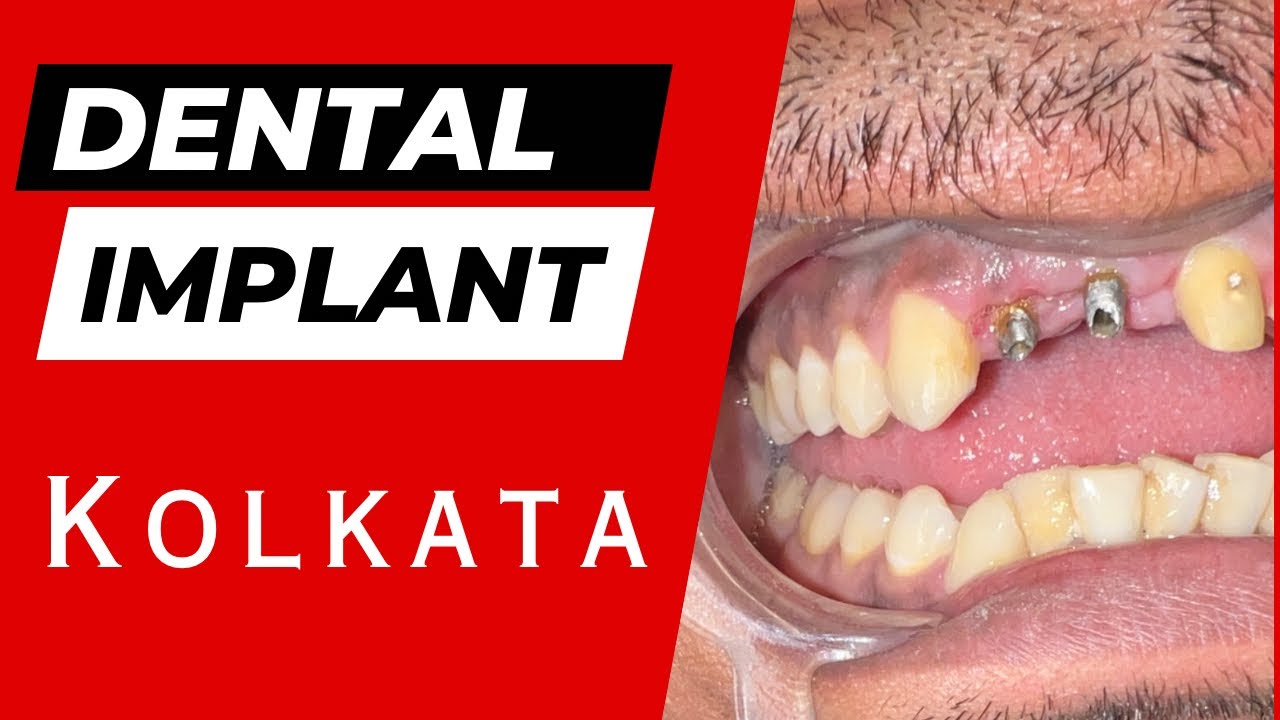
Close-up of open mouth with teeth, dental implants

Eating After Dental Implant Surgery

A common question patients ask is: When can I start eating normally again?

You can usually start eating soft foods within 24 to 48 hours. Avoid anything hard, crunchy, or sticky for at least a couple of weeks. Gradually reintroduce solid foods as your comfort level improves.

Foods to Eat During Recovery:

  • Mashed potatoes
  • Smoothies
  • Yogurt
  • Scrambled eggs
  • Soups

Foods to Avoid:

  • Nuts, popcorn, and chips
  • Sticky sweets like caramel
  • Hot and spicy foods
  • Carbonated or alcoholic drinks

Following a balanced diet supports your immune system and speeds up tissue healing.

Dental Implant Healing vs. Complete Recovery

It’s important to understand that gum healing and complete implant recovery are not the same.

  • Gum Healing: Takes about 1–2 weeks.
  • Osseointegration (Bone Healing): Can take 3–6 months.

Even if your gums look healed from the outside, the internal bone healing continues for several months. Only when osseointegration is complete can the final crown be safely attached.

How to Maintain Dental Implants After Recovery

Once your implants have fully healed, maintenance becomes key. With proper care, implants can last for decades or even a lifetime.

  1. Brush Twice a Day: Use a soft-bristled toothbrush and fluoride toothpaste to clean your teeth and implant crown.
  2. Floss Daily: Clean between your teeth using dental floss or an interdental brush to prevent plaque buildup.
  3. Regular Dental Check-Ups: Visit your dentist every six months for cleaning and examination.
  4. Avoid Bad Habits: Don’t chew ice, open bottles with your teeth, or use your teeth as tools.
  5. Maintain a Healthy Lifestyle: Eat a balanced diet, quit smoking, and manage any chronic health conditions. These habits support long-term implant success.

Why Choose Teeth Care Multispeciality Dental Clinic for Dental Implants

The success of a dental implant doesn’t just depend on your body’s healing, it also depends on your dentist’s skill and experience.

At Teeth Care Multispeciality Dental Clinic, our implantologists specialize in minimally invasive implant surgery that ensures:

  • Reduced discomfort
  • Faster healing time
  • Long-lasting, natural-looking results

Our clinic combines advanced dental technology with personalized care, helping patients achieve healthy smiles that last for years.

Conclusion

So, how long is the recovery time for dental implants?
In most cases, it takes about 3 to 6 months for complete healing. The first 1–2 weeks involve gum recovery, while osseointegration takes a few months more.

Every patient’s healing journey is different, but with proper care, patience, and guidance from an experienced dental team, your implants can last a lifetime.

If you’re considering dental implants, consult the experts at Teeth Care Multispeciality Dental Clinic to understand your treatment plan and personalized recovery timeline.